Living paycheck to paycheck is stressful, especially on minimum wage. But small steps—like tracking expenses, automating savings, and cutting hidden costs—can help break the cycle. According to the Federal Reserve (2024), households with even $400 in emergency savings report significantly less financial stress.
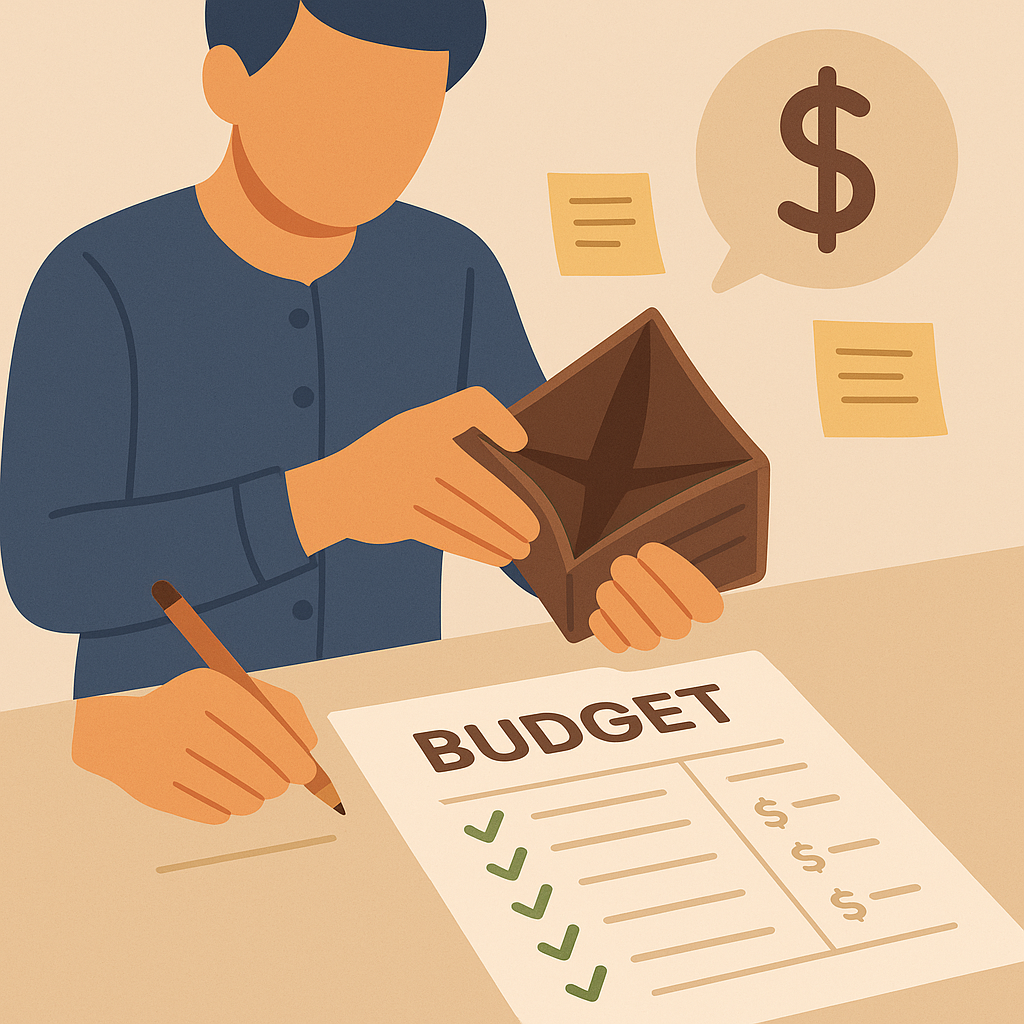
1. Track Every Expense
The Consumer Financial Protection Bureau (CFPB) emphasizes that financial awareness begins with tracking income and spending. Knowing where every dollar goes helps you cut non-essentials.
💡 Action Tip: Use a notebook, spreadsheet, or free budgeting apps to record every expense for 30 days.
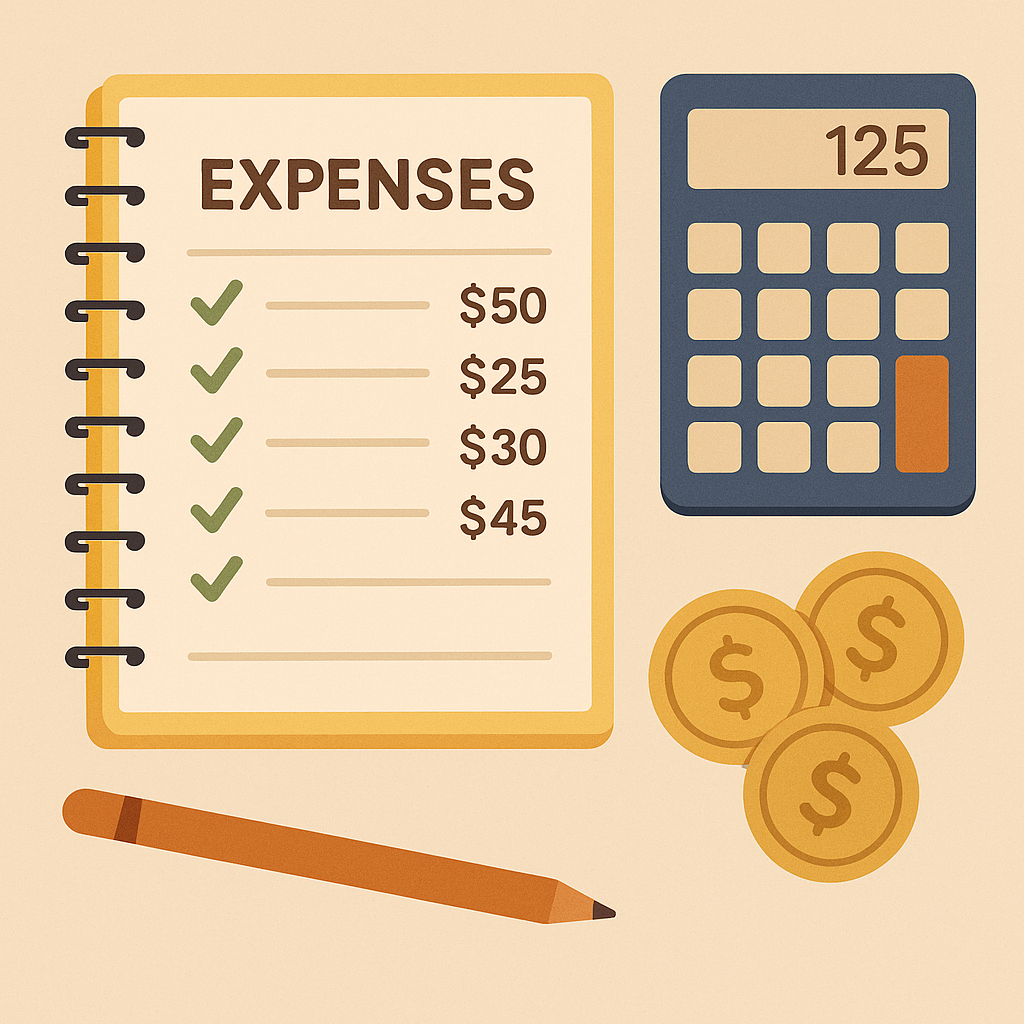
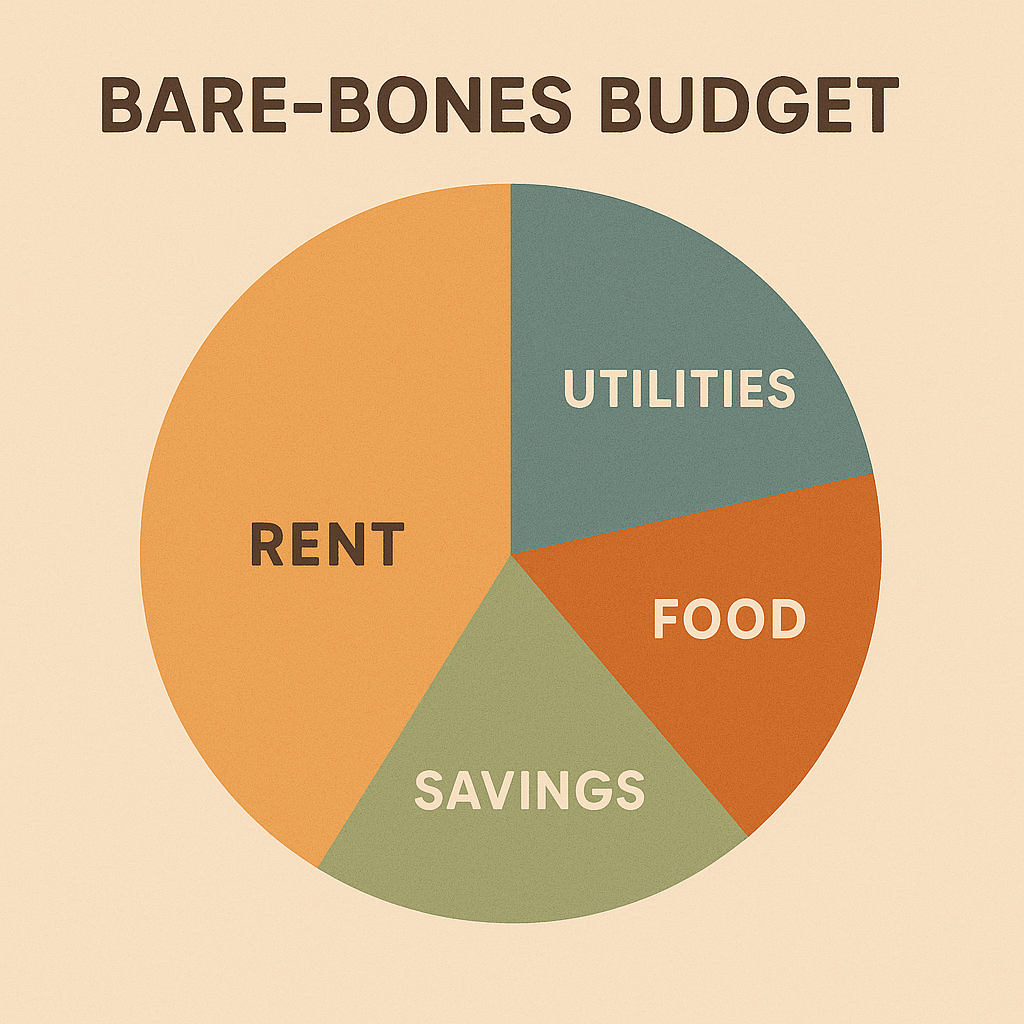
2. Build a Bare-Bones Budget
When income is limited, prioritizing essentials—rent, utilities, and groceries—is crucial. A “bare-bones” budget helps avoid overspending.
💡 Action Tip: Apply the 50/30/20 rule in a flexible way: 50% needs, 30% essentials only (no luxury wants), 20% savings/debt payoff.
3. Automate Small Savings
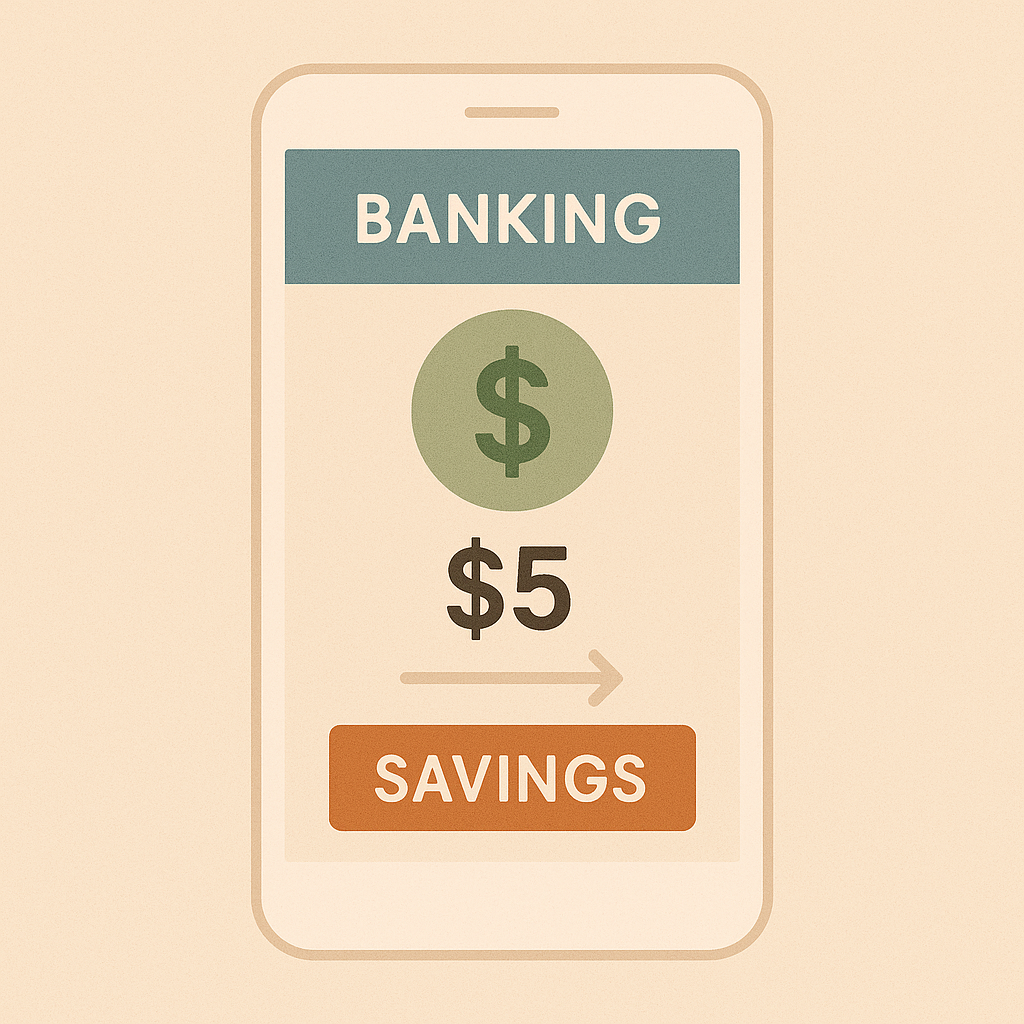
Even on minimum wage, saving small amounts consistently matters. CFPB suggests automatic transfers—even $5 a week—to build habit and resilience.
💡 Action Tip: Set your bank app to transfer a fixed amount to savings every payday before you spend.
4. Cut Hidden Costs
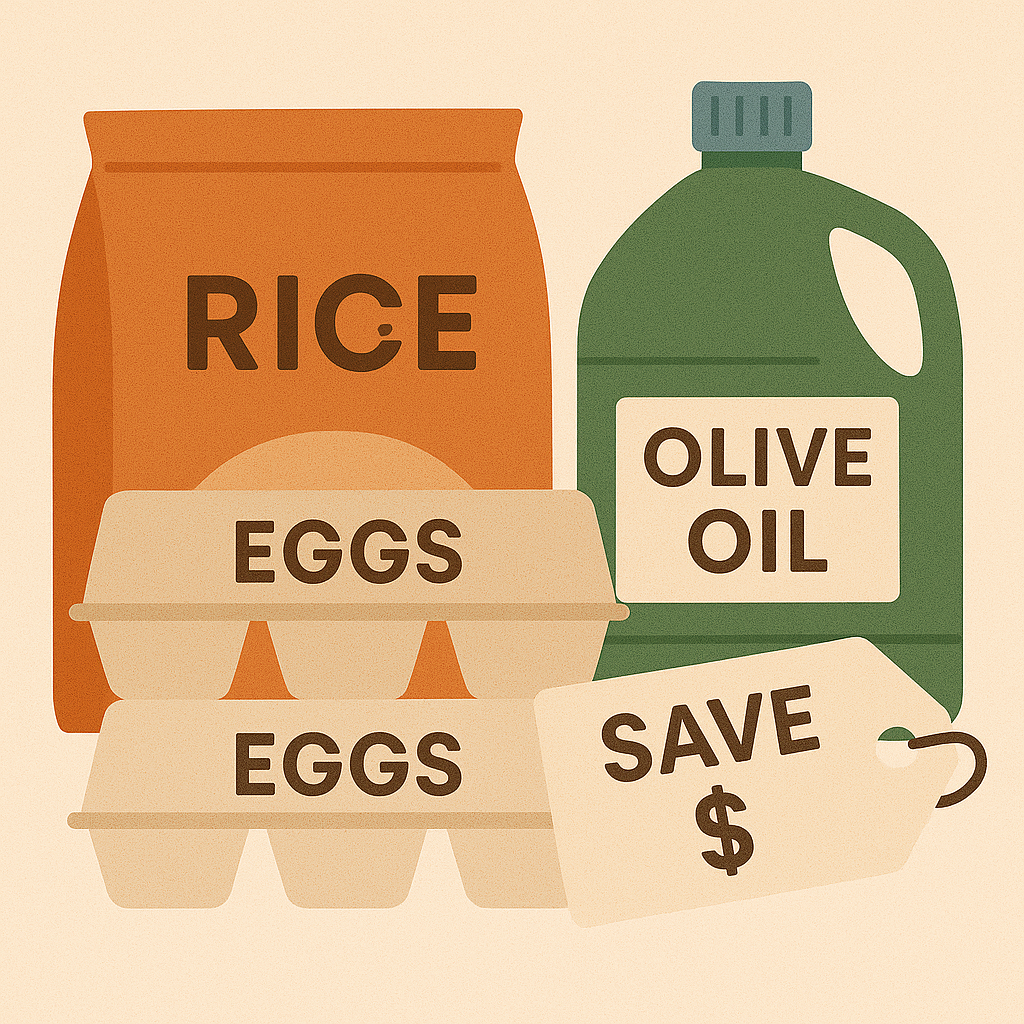
According to the Bureau of Labor Statistics (BLS), low-income households often spend more per unit because they buy small packages. Bulk purchases and canceling unused subscriptions reduce waste.
💡 Action Tip: Shop bulk basics like rice, pasta, and toiletries right after payday. Cancel unused streaming or service subscriptions.
5. Increase Income Through Side Hustles
Even small extra income can make a big difference. Pew Research found that gig work supplements income for millions of low-wage workers.
💡 Action Tip: Try low-cost side hustles: online freelancing, selling unused items, or offering local services like tutoring or delivery.

Breaking free from living paycheck to paycheck takes discipline, but it’s possible—even on minimum wage. By tracking expenses, budgeting strictly, automating savings, cutting waste, and finding small income streams, you can create breathing room in your finances and start building long-term security.
'Saving & Budgeting' 카테고리의 다른 글
| Simple Ways to Save Money on Groceries with Food Inflation (0) | 2025.09.21 |
|---|---|
| Debt Payoff Strategies for People Living Paycheck to Paycheck (0) | 2025.09.12 |
| Frugal Living Tips for Single Parents (0) | 2025.09.09 |
| How to Build an Emergency Fund with Minimum Wage (0) | 2025.09.08 |
| How to Save Money on a Low Income: Practical Tips That Work (0) | 2025.09.07 |


