Paying off debt while living paycheck to paycheck feels overwhelming. Yet, with proven methods like the debt snowball and avalanche strategies, plus guidance from the Consumer Financial Protection Bureau (CFPB) and Federal Reserve, you can reduce debt step by step. This guide offers realistic actions you can start immediately without extra income.
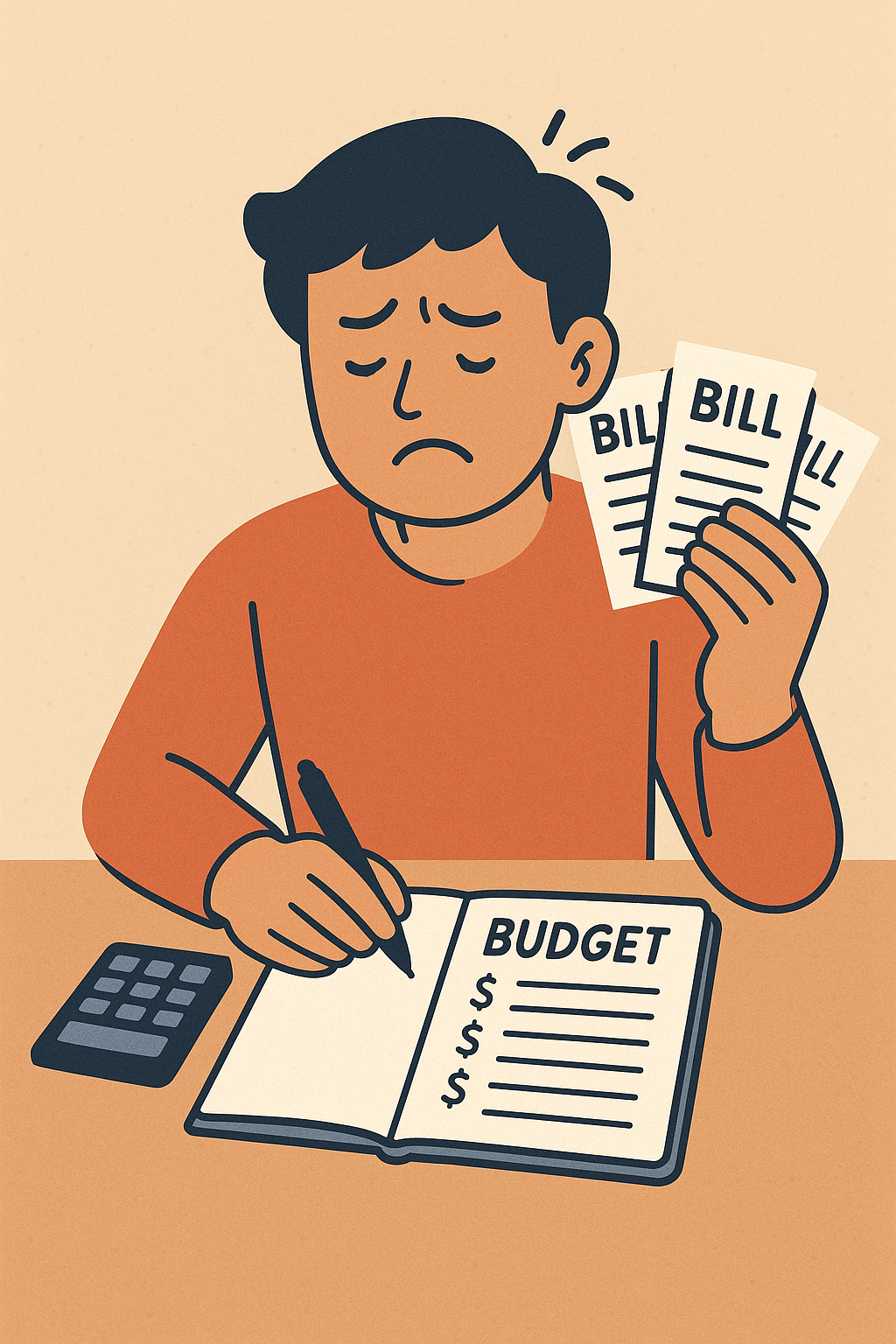
1. Understand Your Debt Landscape
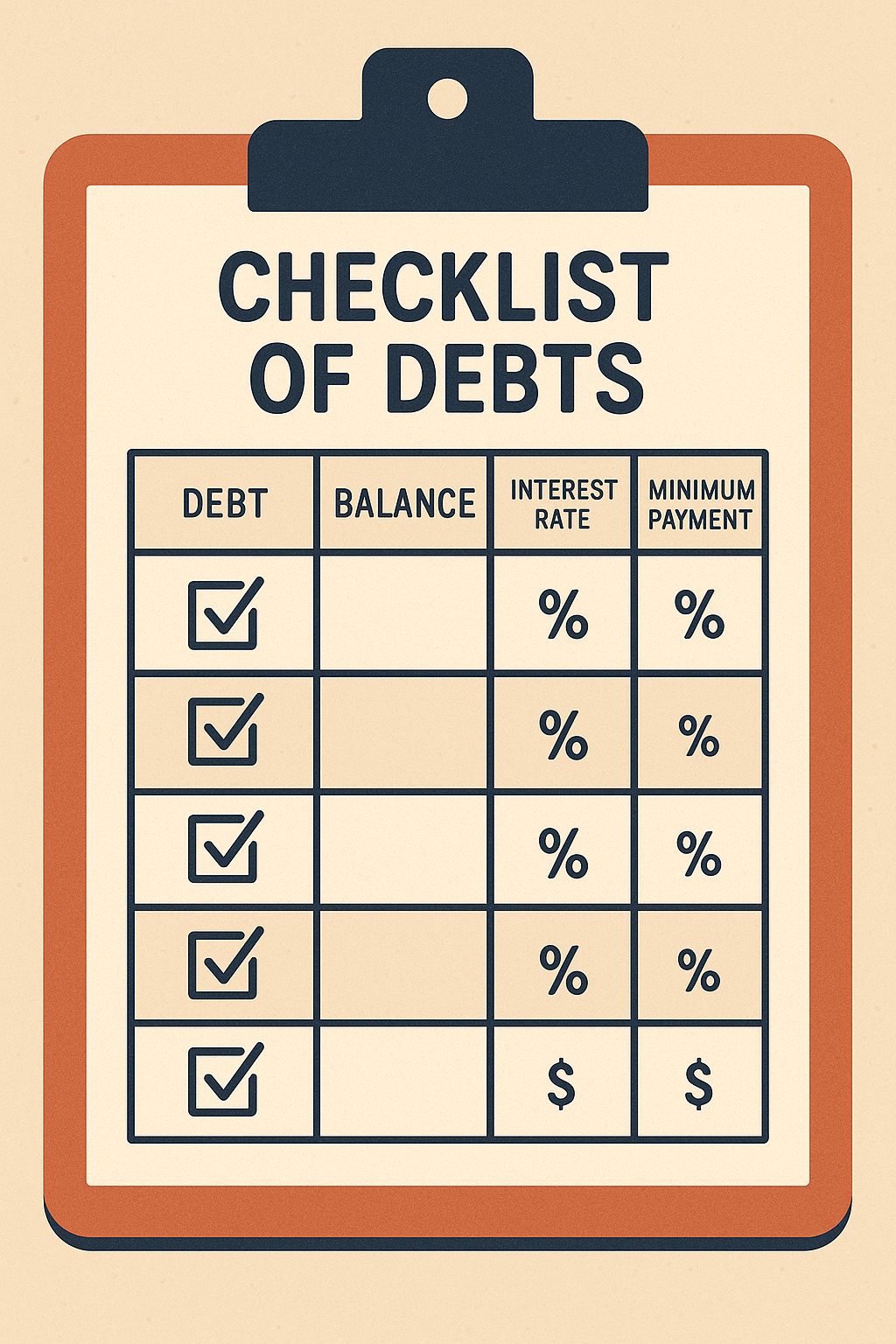
Before paying off debt, list all balances, interest rates, and minimum payments. The CFPB recommends building a “debt inventory” to make repayment strategies clearer.
💡 Action Tip: Create a simple spreadsheet with debt type, balance, interest rate, and minimum payment.
2. Prioritize with Debt Snowball or Avalanche
- Debt Snowball Method: Pay off the smallest debt first for quick wins, then move to larger ones.
- Debt Avalanche Method: Pay off the highest-interest debt first to save money long-term.
Studies show both methods increase repayment success depending on personality (Harvard Business Review, 2016).
💡 Action Tip: If you need motivation → start with Snowball.
If you want maximum savings → use Avalanche.

3. Reduce Interest Rates & Fees
According to the Federal Reserve, high-interest credit cards keep many families trapped in cycles of debt. Options include:
- Requesting lower rates from lenders.
- Transferring balances to a 0% APR card.
- Consolidating with a lower-interest personal loan.
💡 Action Tip: Call your credit card company and ask: “Is there a lower APR program available?” You may be surprised at how often they agree.

4. Budget with a “Debt-First” Mindset
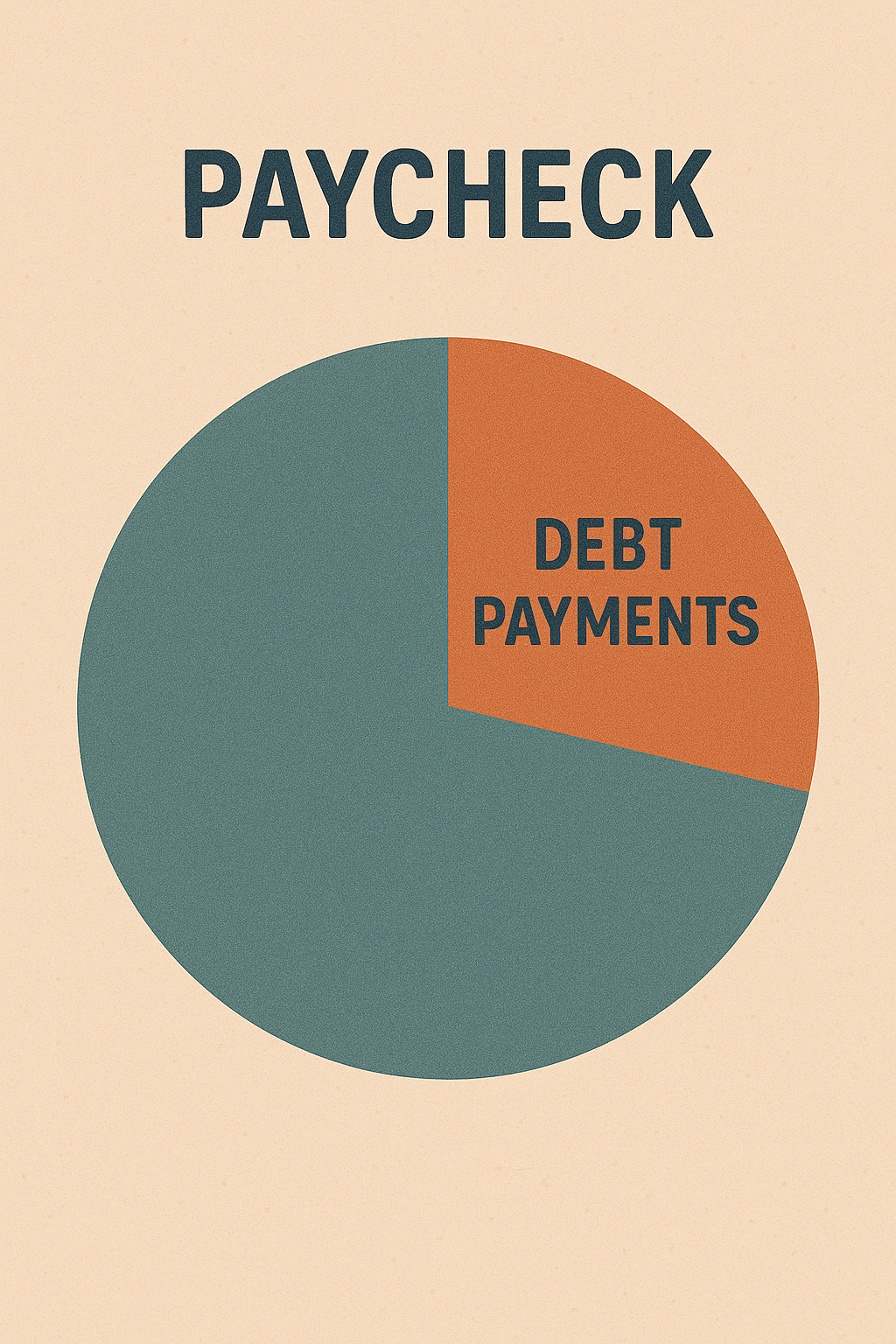
Even living paycheck to paycheck, allocating a small amount beyond minimum payments accelerates debt freedom. CFPB advises treating debt like a fixed “bill” in your budget.
💡 Action Tip: Direct 5–10% of any side hustle or overtime pay toward debt immediately.
5. Build a Mini-Emergency Fund
Without a small buffer, you’ll fall back into debt when surprises happen. Federal Reserve reports (2024) show many households without savings rely on credit cards for emergencies.
💡 Action Tip: Save at least $200–$300 before aggressively paying debt, to prevent new borrowing.

6. Seek Professional or Community Help
Nonprofit agencies like the National Foundation for Credit Counseling (NFCC) provide free or low-cost debt management plans. Avoid for-profit debt settlement companies that charge high fees.
💡 Action Tip: Visit nfcc.org and connect with a certified credit counselor for personalized guidance.
Even paycheck to paycheck, you can make progress:
- Know your debts clearly.
- Use snowball or avalanche strategies.
- Cut interest costs by negotiating.
- Treat debt like a priority bill.
- Build a small emergency cushion.
- Get nonprofit help if needed.
Debt freedom is not instant, but with consistent small steps, it’s possible.
'Saving & Budgeting' 카테고리의 다른 글
| How to Stop Living Paycheck to Paycheck on Minimum Wage (0) | 2025.09.25 |
|---|---|
| Simple Ways to Save Money on Groceries with Food Inflation (0) | 2025.09.21 |
| Frugal Living Tips for Single Parents (0) | 2025.09.09 |
| How to Build an Emergency Fund with Minimum Wage (0) | 2025.09.08 |
| How to Save Money on a Low Income: Practical Tips That Work (0) | 2025.09.07 |


